By Aeruxo — Licensed Flight Dispatcher | 15+ Years in Airline Operations
A friend once texted me mid-flight: “There’s a loud thunk under the plane. Are we going to die?” I texted back after she landed: “That was the landing gear. You were never in danger. You were hearing the airplane doing exactly what it was designed to do.”
Fear of airplane sounds is one of the most common triggers for flight anxiety. And I understand why. You are sealed inside a metal tube at 35,000 feet, surrounded by mechanical systems you cannot see, producing noises you have never been trained to interpret. A thunk, a whir, a sudden change in engine pitch—when you do not know what these sounds mean, your brain fills the gap with worst-case scenarios.
After 15 years as a flight dispatcher, I know exactly what every one of those airplane sounds means. I hear them discussed in pilot briefings, maintenance reports, and cockpit communications every day. This article is my complete guide to every significant sound you will hear on a commercial flight—from the moment you sit down at the gate to the moment the engines shut down after landing. By the time you finish reading, those mysterious noises will become familiar, even reassuring.
Key Takeaways
- Every sound you hear on a commercial flight is normal. The thumps, whirs, chimes, and engine changes are all part of the aircraft’s mechanical systems operating as designed.
- The two sounds that scare passengers most—landing gear and engine power changes—are among the most routine. The “thunk” after takeoff is the gear retracting. The engine “going quiet” during climb is a normal thrust reduction.
- Cabin chimes are crew communication, not alarms. A single ding, a double chime, a high-low tone—these are the crew’s internal phone system, not emergency signals.
- The “barking dog” sound on Airbus aircraft is completely normal. It is the Power Transfer Unit (PTU) balancing hydraulic pressure between systems. It sounds alarming but is entirely routine.
- The only sound that should concern you is one you will almost certainly never hear: the cabin crew instructing you to brace. Everything else is the airplane doing its job.
Phase 1: At the Gate — Airplane Sounds Before You Even Move
The noises start before the aircraft leaves the gate. Here is what you are hearing.
Banging and Thumping Below the Floor
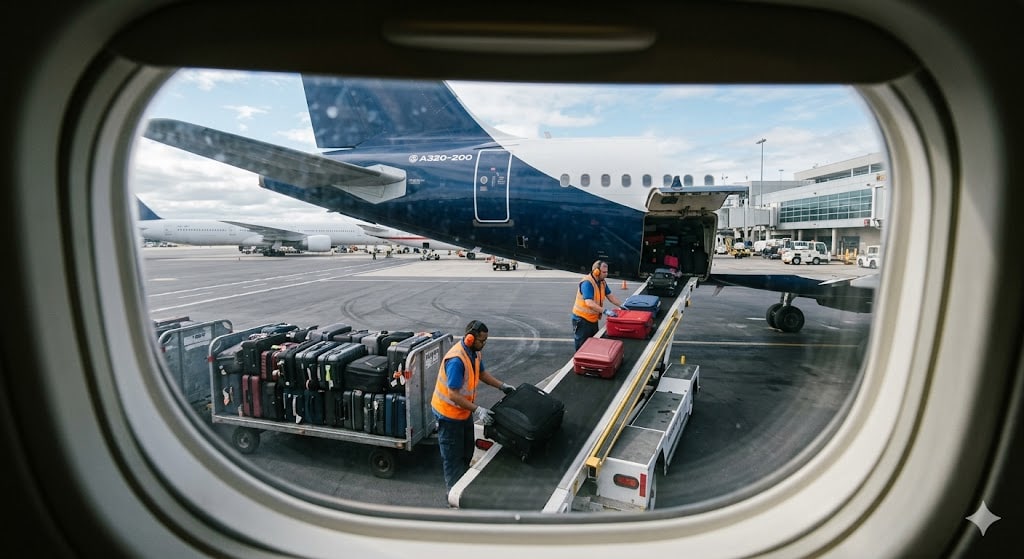
While you are boarding, you will often hear rhythmic banging and thumping from below the cabin floor. This is the ground handling crew loading luggage and cargo into the belly of the aircraft. The louder thuds are typically the cargo containers being positioned and locked into place, or the cargo door being closed and latched. It sounds violent. It is not. The cargo hold is designed to absorb this handling.
A Whooshing or Hissing Sound
You may notice a constant hissing or rushing air sound throughout the cabin. This is the aircraft’s environmental control system (ECS)—essentially the air conditioning—circulating air through the cabin. Before engine start, this air may come from the Auxiliary Power Unit (APU), a small turbine engine in the tail of the aircraft, or from an external ground air supply connected to the aircraft. When the source switches from ground power to APU, you may hear a brief change in pitch or a momentary pause in the airflow. Completely normal.
Lights Flickering
The cabin lights may briefly dim or flicker. This happens when the aircraft’s electrical source switches—typically from ground power to the APU, or later from the APU to the main engines. It is the electrical equivalent of unplugging one power cord and plugging in another. The lights recover in 1-2 seconds.
Chimes and Dings
You will hear various chimes before departure. A single ding is usually a call from one crew member to another using the aircraft’s intercom system—the equivalent of a phone ringing. A high-low tone is typically a call from the cockpit to the cabin crew. These are routine communication signals, not alerts or warnings. I will explain the cabin chime system in more detail later in this article.
Phase 2: Taxi and Takeoff — The Loudest Airplane Sounds of Your Flight
This is when the noises intensify, and when many nervous flyers grip their armrests hardest.
Engine Startup: A Rising Whine
When the pilots start the engines, you will hear a gradually increasing whine as the turbofan spools up from idle. The sound builds from a quiet hum to a steady, moderate roar over about 30-60 seconds per engine. You may hear the engines start one at a time—first one side, then the other. This is normal; engines are typically started sequentially, not simultaneously.
The “Barking Dog” — Airbus Aircraft Only
If you are flying on an Airbus A320 or A321 (which are common in Korean LCC fleets), you may hear a rhythmic thumping sound that passengers often describe as a “barking dog” or a “jackhammer under the floor.” This is the Power Transfer Unit (PTU)—a hydraulic component that automatically activates when it detects a pressure difference between the aircraft’s two main hydraulic systems. It transfers hydraulic power from one system to the other to maintain balanced pressure. SKYbrary’s hydraulic systems reference
The PTU typically activates during single-engine taxi (when only one engine is running to save fuel) because the hydraulic pump on the shut-down engine is not producing pressure. The sound is startling the first time you hear it, but it is completely routine. Flight crews do not even register it anymore—it is background noise to them.
Pushback: Bumps and a Slight Jolt
When the tug pushes the aircraft back from the gate, you may feel a slight jolt as the tow bar connects and the aircraft starts moving backward. The movement is slow and controlled, and you may hear the rumble of the wheels on the ramp surface.
Flap and Slat Extension: A Whirring Grind
Before takeoff, the pilots extend the wing flaps and leading-edge slats to increase lift for departure. You will hear a distinct whirring or grinding sound from the wings—this is the hydraulic motors driving the flap and slat mechanisms. If you have a window seat over the wing, you can actually watch the flaps extend. The sound lasts 5-10 seconds and is perfectly normal.
Takeoff Roll: The Big Roar
When the pilots advance the throttles for takeoff, the engine noise increases dramatically. This is maximum or near-maximum thrust, and it is the loudest sustained sound you will hear during the flight. The sound is accompanied by strong acceleration pushing you back into your seat. This is what those engines are designed to do—produce the thrust needed to get 70+ tonnes airborne.
The Thunk After Liftoff: Landing Gear Retraction
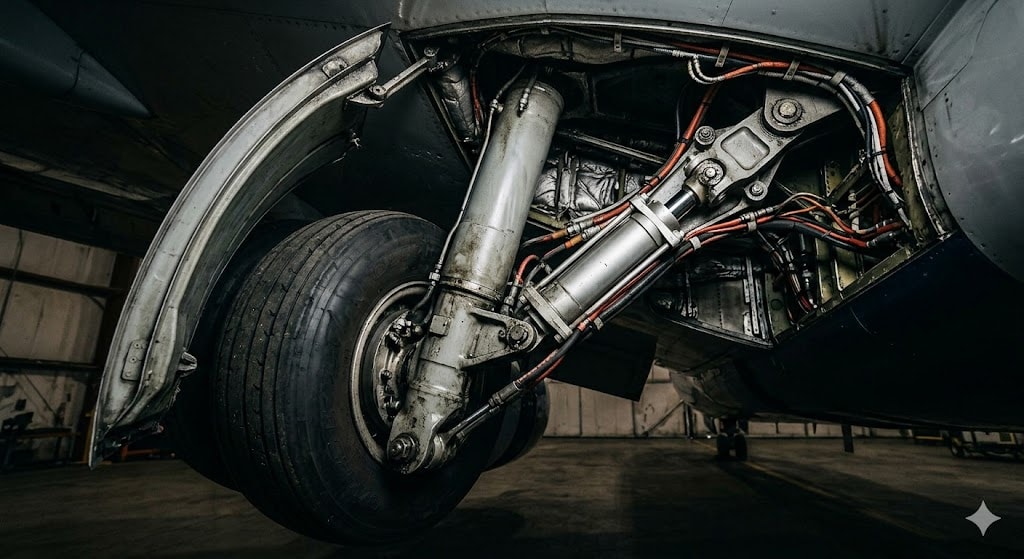
This is the single most anxiety-inducing sound for nervous flyers, and it is the most routine operation imaginable.
Approximately 5-15 seconds after the aircraft lifts off, the pilot commands the landing gear to retract. You will hear two distinct sounds: first, a mechanical thunk-thunk as the gear doors open and the gear begins folding upward into the wheel wells; then a second, softer thump as the gear locks into the retracted position and the doors close. Some passengers also notice a brief vibration transmitted through the floor.
This sound happens on every single flight that has ever taken off. It is the wheels being tucked away so the aircraft can fly efficiently without the drag of dangling landing gear. It is not something breaking. It is not something falling off. It is a mechanical system operating exactly as designed, exactly as it has millions of times before.
The Engine “Going Quiet” During Climb
This one terrifies new flyers. Shortly after takeoff—usually around 1,000-1,500 feet altitude—the engine noise noticeably decreases. It feels and sounds like the engines are shutting down. Passengers sometimes grab armrests or look around in panic.
The engines are not shutting down. What you are hearing is a normal thrust reduction from takeoff power to climb power. Takeoff requires maximum thrust for a short period. Once safely airborne, the pilots reduce thrust to a lower setting that is still plenty for climbing but reduces engine wear, saves fuel, and decreases noise over residential areas near the airport. The aircraft continues climbing normally throughout this power reduction.
This is one of the sounds I specifically mentioned in my article about fear of flying—learning what it means can instantly transform a moment of panic into a moment of understanding.
Phase 3: Cruise — The Quiet Phase (Mostly)
Once the aircraft reaches cruising altitude, the noise level drops significantly. But the airplane is not silent.
The Constant Background Hum
The steady hum you hear throughout cruise is a combination of engine noise (transmitted through the fuselage), aerodynamic wind noise (air flowing over the aircraft at 800+ km/h), and the environmental control system circulating cabin air. This background hum is constant and unchanging—which is actually a good sign. A steady, unchanging sound means all systems are operating normally.
Occasional Engine Pitch Changes
During cruise, you may occasionally hear the engine pitch change slightly—a brief increase or decrease in the humming tone. This is usually caused by the autothrottle making small adjustments to maintain the target airspeed as the aircraft encounters changing wind conditions or air density. These adjustments are automatic and continuous. Think of it as cruise control in your car making subtle speed corrections on a hilly highway.
The “Ding” System: Decoding Cabin Chimes
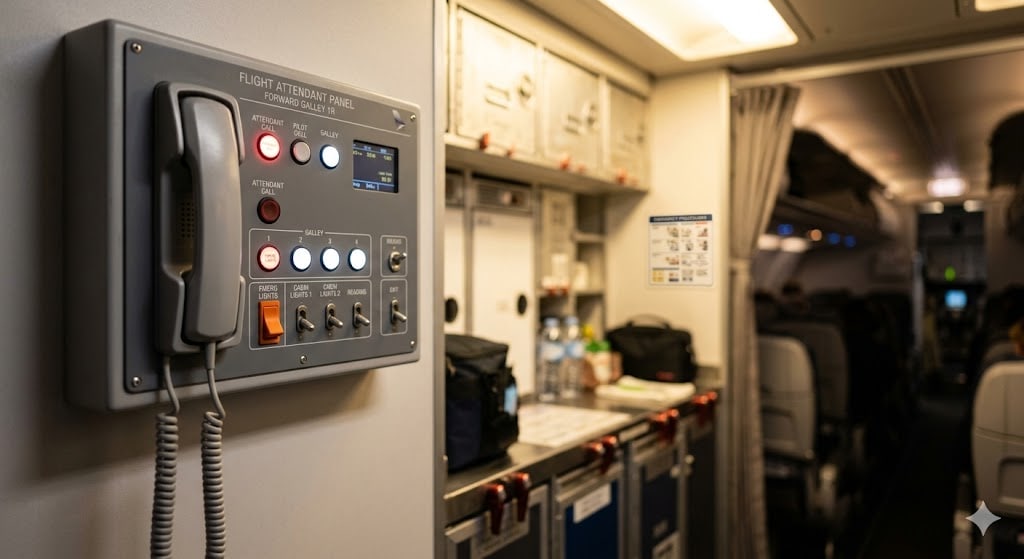
The cabin chime system is one of the most misunderstood airplane sounds. Passengers hear a ding and wonder what it means. Here is the general framework, though specific codes vary by airline:
Single low chime: Typically a passenger pressing the call button to request a flight attendant. Look for the illuminated button above someone’s seat.
Single high chime or high-low tone: Usually a call from the cockpit to the cabin crew. This is the pilots’ “phone call” to the senior flight attendant—often to share information about flight time, turbulence ahead, or approaching the destination.
Double chime (same tone): At most airlines, this signals that the aircraft has passed through 10,000 feet altitude—either climbing through it after takeoff or descending through it before landing. Below 10,000 feet is considered a “sterile cockpit” environment where non-essential communication with the flight deck is restricted.
Rapid multiple chimes: On some aircraft types, a rapid series of chimes is the cabin crew alerting each other to something that needs attention—not an emergency, but something operational like turbulence requiring passengers to be seated.
Here is what the chimes are not: emergency alarms. If there were a genuine emergency requiring passenger action, the crew would make a direct PA announcement with clear, specific instructions. The chime system is an internal crew communication tool, nothing more.
Creaking and Popping Sounds
During cruise, you may hear occasional creaking, popping, or cracking sounds—particularly near the wings or in the overhead bins area. This is the aircraft’s fuselage and wing structure flexing slightly due to pressure changes, temperature variations, and normal aerodynamic loads. Aircraft structures are designed to be flexible, not rigid. A small amount of flex is normal and healthy—it distributes stress rather than concentrating it. Think of how a tall building sways slightly in the wind; the aircraft is doing the same thing, and for the same engineering reason.
I discussed this structural flexibility in my turbulence article—aircraft wings are tested to flex over 7 meters upward without structural failure. The small creaks you hear are the structure operating well within its design limits.
Phase 4: Descent and Approach — The Sounds Return
As the aircraft begins its descent toward the destination, the quiet cruise environment gives way to a new set of sounds. This is also when anxious flyers tend to become alert again.
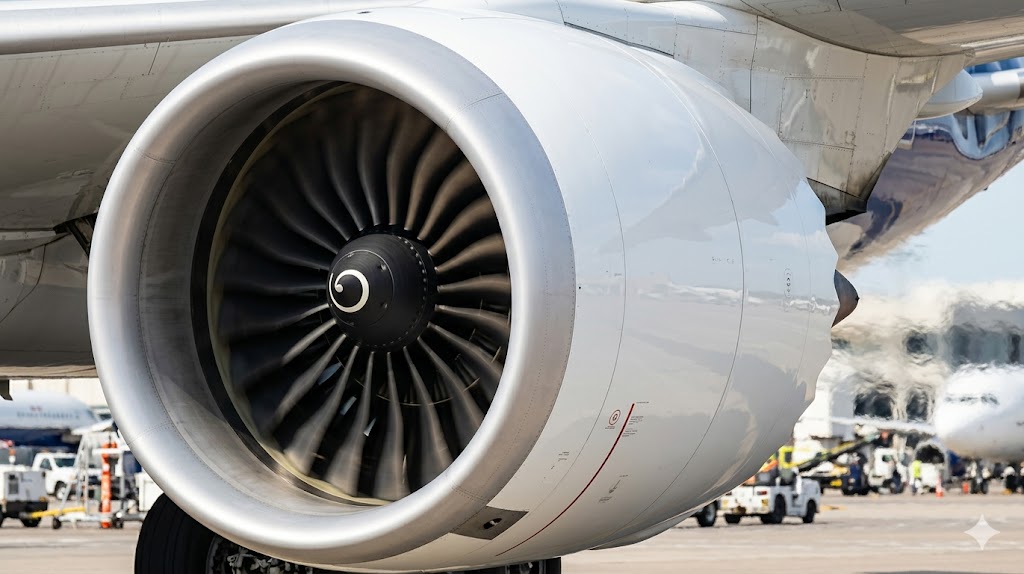
Engines Getting Quieter: Beginning of Descent
When the pilots initiate the descent, they reduce engine power significantly. The engine noise drops noticeably. Combined with the sensation of descending (which some passengers interpret as “falling”), this can feel alarming. It is not. The aircraft is transitioning from cruise to descent at a planned, controlled rate—typically 1,500-3,000 feet per minute—that the crew briefed before they even left cruising altitude.
From my position in the OCC, descent initiation is a planned event that I can see on the flight tracking display. The aircraft follows a calculated descent profile that I built into the flight plan. There is nothing unplanned about it.
Speedbrakes/Spoilers: A Rumble and Vibration
During descent, you may hear a rumbling sound and feel vibrations, particularly if you are seated over or near the wings. This is the speedbrakes (spoilers)—flat panels on top of the wing that rise up to increase drag and help the aircraft slow down and descend faster. The airflow hitting these raised panels creates the rumble. It sounds rough, but it is a completely normal and intentional use of the aircraft’s deceleration systems.
Flap and Slat Extension: The Whirring Returns
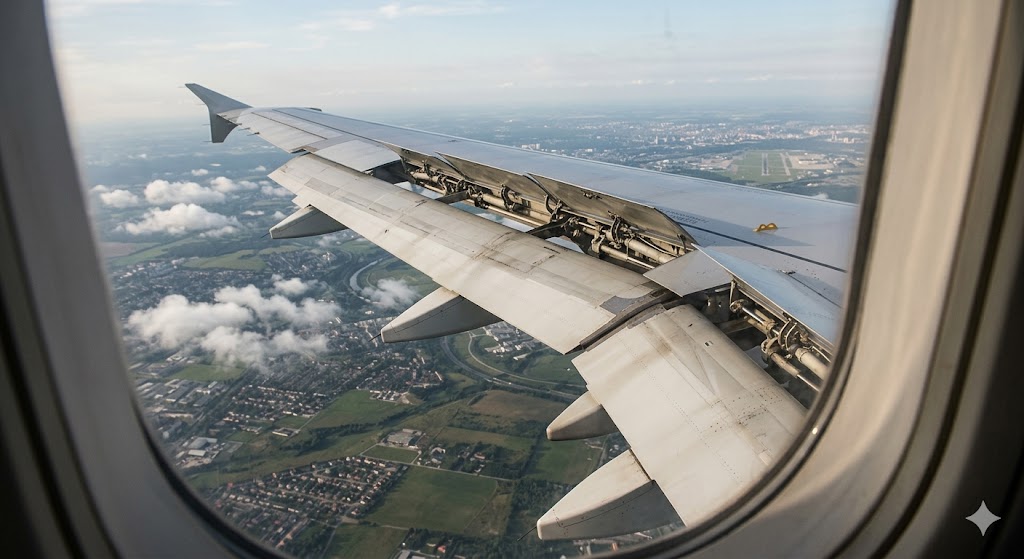
As the aircraft slows for approach, the pilots progressively extend the flaps and slats—the same surfaces that were extended for takeoff, but now deployed in stages as the aircraft decelerates. Each stage of extension produces a 5-10 second whirring or grinding sound from the hydraulic motors in the wings. You may hear this sound 3-4 times during the approach as the flaps are extended incrementally to their full landing position.
If you are watching from a window seat, you can see the wing literally transform—panels sliding backward and downward, creating a larger, more curved wing surface that generates more lift at lower speeds. It is fascinating engineering, and the sound is simply the mechanical system making it happen.
Landing Gear Extension: The Thunk Returns
Approximately 5-10 minutes before landing, the pilots extend the landing gear. You will hear the same thunk-thunk sequence as during retraction, but in reverse: the gear doors open, the gear swings down and locks into position, and the doors close around the extended struts. This is accompanied by a noticeable increase in wind noise and a slight deceleration as the dangling gear creates aerodynamic drag.
The gear extension is one of the final confirmation sounds that you are about to land. When you hear it, the aircraft is typically 5-10 minutes from touchdown. The crew has completed their approach briefing, the missed approach procedure has been reviewed, and the flight is configured for landing.
Phase 5: Landing and Rollout — The Grand Finale of Airplane Sounds
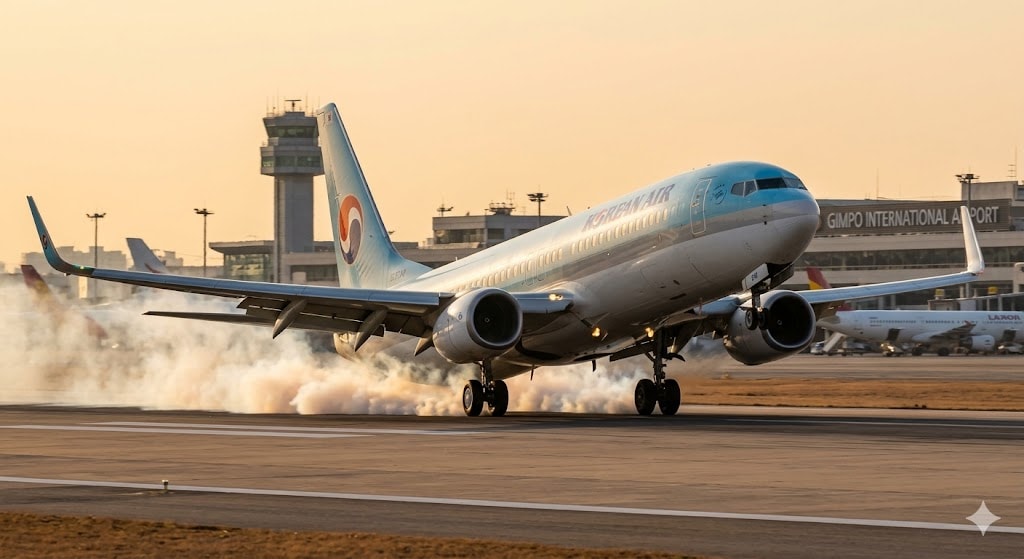
Touchdown: The “Bark” of Tires
When the wheels contact the runway, you will hear a sharp chirping or barking sound—this is the tires, which were stationary in the air, suddenly spinning up to match the aircraft’s ground speed (around 250 km/h). The rubber scuffs against the pavement for a fraction of a second before the tire reaches full rotational speed. That puff of tire smoke you sometimes see from the window is this exact moment.
Thrust Reversers: The Sudden Roar
Immediately after touchdown, the engines suddenly roar back to life—louder than they have been since takeoff. This is the thrust reversers deploying. Thrust reversers redirect engine exhaust forward (rather than backward), creating a braking force that helps slow the aircraft. The sound is dramatic—a powerful, sustained roar that lasts 5-10 seconds—and is accompanied by a strong deceleration that pushes you forward in your seat. FAA passenger safety information
Some passengers are alarmed by this because it sounds like the engines are trying to accelerate for another takeoff. They are doing the opposite. The reversers are one of the aircraft’s primary braking mechanisms, supplementing the wheel brakes to bring the aircraft to a safe taxi speed.
Spoilers Deploying: A Thump on the Wings
Simultaneously with thrust reverser deployment, the ground spoilers (all the panels on top of the wings) deploy fully upward with a distinct thump. Their purpose is twofold: they destroy the remaining lift on the wings (pushing the aircraft’s weight firmly onto the wheels for maximum braking effectiveness) and they increase aerodynamic drag. You may feel the aircraft “settle” onto the runway as the spoilers deploy—this is intentional and is called “weight on wheels.”
Wheel Brakes: Vibration and Deceleration
As the aircraft continues to decelerate, the wheel brakes engage. You may feel vibration through the floor, particularly during firm braking. On wet or contaminated runways, the anti-skid system may produce a pulsing sensation—similar to ABS brakes in a car—as it prevents the wheels from locking up.
The Sound You Should Actually Listen For
After explaining all of these normal airplane sounds, I want to address the question that underlies all flight anxiety: “But what if a sound means something is actually wrong?”
The honest answer: you are not qualified to diagnose aircraft systems by sound, and you do not need to be. That is what the pilots, the flight attendants, and people like me are for. The flight crew monitors every aircraft system through instrumentation, warning lights, and aural alerts that are designed for trained professionals. The sounds that matter—the ones that indicate genuine issues—are heard and acted upon by the crew long before you would notice anything unusual.
The only sound that requires action from you as a passenger is a direct verbal instruction from the cabin crew: “Brace, brace” or “Fasten your seatbelts.” Everything else—every thunk, whir, chime, rumble, and roar—is the aircraft operating normally. As I discussed in my aviation safety article, the entire system is designed with multiple layers of protection, monitored by trained professionals, so that you can sit back and let the sounds wash over you as background noise rather than threats.
After 15 years in the OCC, I have listened to thousands of cockpit communications, read countless maintenance reports, and managed every kind of in-flight situation. The normal sounds of a commercial aircraft in operation are as unremarkable to me as the sound of a car engine is to you. They mean the machine is working. They mean the systems are functioning. They mean you are safe.
So the next time the landing gear thumps, the engines change pitch, or a mysterious chime sounds above your head—take a breath. You just learned what it means. And what it means is: everything is exactly as it should be.
Learn more about our mission and operational background on the About Aeruxo page.
Quick Reference: 12 Common Airplane Sounds Decoded
For easy reference, here is a summary of every major sound covered in this article:
1. Banging below the floor (at gate): Luggage and cargo being loaded. Normal.
2. Hissing/whooshing air: Environmental control system (air conditioning) operating. Normal.
3. Lights flickering: Electrical power source switching (ground → APU → engines). Normal.
4. “Barking dog” rhythmic thumping (Airbus): Power Transfer Unit (PTU) balancing hydraulic pressure. Normal.
5. Rising engine whine: Engine starting up. Normal.
6. Whirring/grinding from wings: Flaps and slats extending or retracting. Normal.
7. Thunk-thunk after takeoff: Landing gear retracting into wheel wells. Normal.
8. Engines going quiet during climb: Normal thrust reduction from takeoff power to climb power. Not an engine failure.
9. Cabin chimes (single, double, high-low): Crew internal communication system. Not an emergency alert.
10. Rumbling and vibration during descent: Speedbrakes/spoilers deployed to help the aircraft slow down and descend. Normal.
11. Thunk-thunk before landing: Landing gear extending and locking into position. Normal.
12. Loud engine roar after touchdown: Thrust reversers deploying to slow the aircraft. Normal.
Frequently Asked Questions
Why does it sound like the engines shut off right after takeoff?
The engines are not shutting off—the pilots are reducing thrust from takeoff power to climb power. This is a normal, planned power reduction that occurs at every takeoff. Takeoff requires maximum thrust for a short period; once the aircraft is safely climbing, the power is reduced to save fuel, reduce engine wear, and minimize noise over residential areas. The aircraft continues climbing normally throughout this power change.
What is the loud thunk I hear right after the plane lifts off?
That is the landing gear retracting into the wheel wells. After the aircraft is safely airborne, the pilot raises the gear so the aircraft can fly without the aerodynamic drag of dangling wheels. The thunk is the gear doors opening and the gear folding upward and locking into the retracted position. It happens on every takeoff, on every commercial flight, worldwide.
What is the “barking dog” sound on some flights?
This sound occurs on Airbus aircraft (A320, A321, A330, etc.) and is produced by the Power Transfer Unit (PTU), a hydraulic component that transfers pressure between the aircraft’s two main hydraulic systems. It typically activates during single-engine taxi operations or when hydraulic pressures are unequal. The sound is completely normal and does not indicate any malfunction. Boeing aircraft do not have this system and do not produce this sound.
Should I be worried if I hear a sound I have never heard before?
No. Commercial aircraft produce a wide variety of sounds depending on the aircraft type, the phase of flight, the weather conditions, and the specific configuration. You may hear sounds on one flight that you did not hear on a previous flight simply because you were on a different aircraft type or sitting in a different part of the cabin. If anything were genuinely wrong, the flight crew would detect it through their instrumentation and warning systems and would take appropriate action—you would not need to diagnose it by ear.
Why does the plane make so many sounds during landing?
Landing is the most mechanically active phase of flight. Within a few minutes, the aircraft extends flaps and slats (whirring), lowers the landing gear (thunking), may deploy speedbrakes (rumbling), touches down (tire chirp), deploys thrust reversers (roaring), activates ground spoilers (thumping), and applies wheel brakes (vibration). Each of these sounds corresponds to a specific system performing a specific function to bring the aircraft safely to a stop. The concentration of sounds makes landing the noisiest phase, but each individual sound is completely routine.
Is turbulence noise something to worry about?
No. During turbulence, you may hear rattling overhead bins, creaking fuselage, and changes in engine sound as the autothrottle compensates for speed variations. These sounds reflect the aircraft’s structure and systems responding normally to the turbulent air. The aircraft is designed to withstand forces far beyond anything normal turbulence can produce. Keep your seatbelt fastened and let the sounds pass—they are the airplane doing its job.
Is there a specific airplane sound that scares you? Describe it in the comments and I will tell you exactly what it is—from 15 years of operational experience.
Disclaimer: The views expressed in this article are my own professional opinions based on 15+ years of operational experience. They do not represent the official position of any airline, aviation authority, or regulatory body.